As educators know, sitting still for hours isn鈥檛 how children learn best. Decades of research and modern neuroscience all point to the same conclusion: physical movement improves attention, memory, motivation 鈥 and ultimately academic performance.
- 础听聽of over 7,300 participants found cognitively engaging physical activities (like movement requiring decision-making and rule-following) produced improvements in working memory, fluid intelligence, on-task behaviour, and creativity.
- Less than 42% of U.S. children ages 鈥6鈥11 meet the recommended 60鈥痬inutes of daily physical activity 鈥 .
- A campus tech鈥憇ervices team聽: just ten minutes of standing or gentle movement raises concentration, reduces stress, and improves retention 鈥 even at the college level.
- 础听聽of children with ADHD found physical activity interventions improved working memory.
Movement enhances brain function by increasing circulation, activating cerebellar coordination centers, and strengthening recall pathways. When students move 鈥 whether via brain breaks, gesture-based math, or kinesthetic games 鈥 they stay alert and motivated, and they process concepts more deeply.
Immersive Learning: AR/VR Experiences Provide Opportunities for Movement
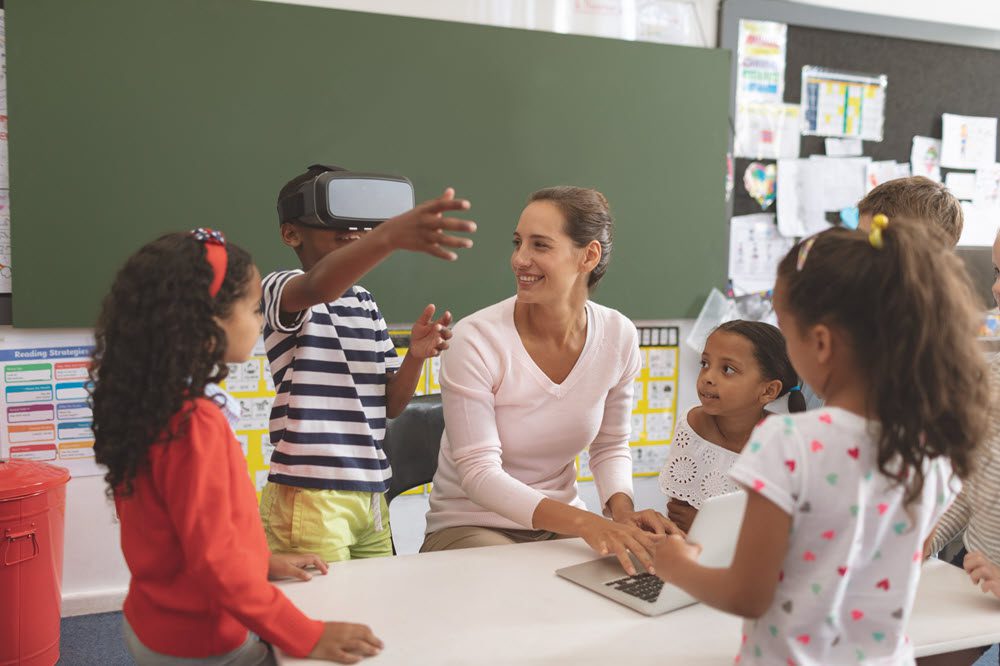
Immersive learning environments 鈥 think augmented reality (AR), virtual reality (VR), simulations, role鈥憄lays 鈥 are natural allies of physical, experiential learning. These technologies encourage learners to move through scenarios, manipulate virtual objects, and act out scenarios in ways that traditional instruction simply can鈥檛.
When students move, they don鈥檛 just activate their muscles 鈥 they awaken a network of senses that feeds the brain with rich, multisensory input. Shifting position, changing perspective, and engaging in tactile interaction stimulates sight, sound, touch, and even balance, creating a layered sensory experience. These moments act as cognitive attractors 鈥 memorable, high鈥慹ngagement events where attention sharpens and information 鈥渟ticks鈥 more deeply. In immersive learning, physical movement amplifies this effect, making the experience feel real, personal, and memorable.
51探花鈥檚 immersive learning platform makes these ideas practical and accessible. Two standout AR tools that provide opportunities for physical movement and experiential learning are:
罢颈尘别笔辞诲鈥疉诲惫别苍迟耻谤别蝉
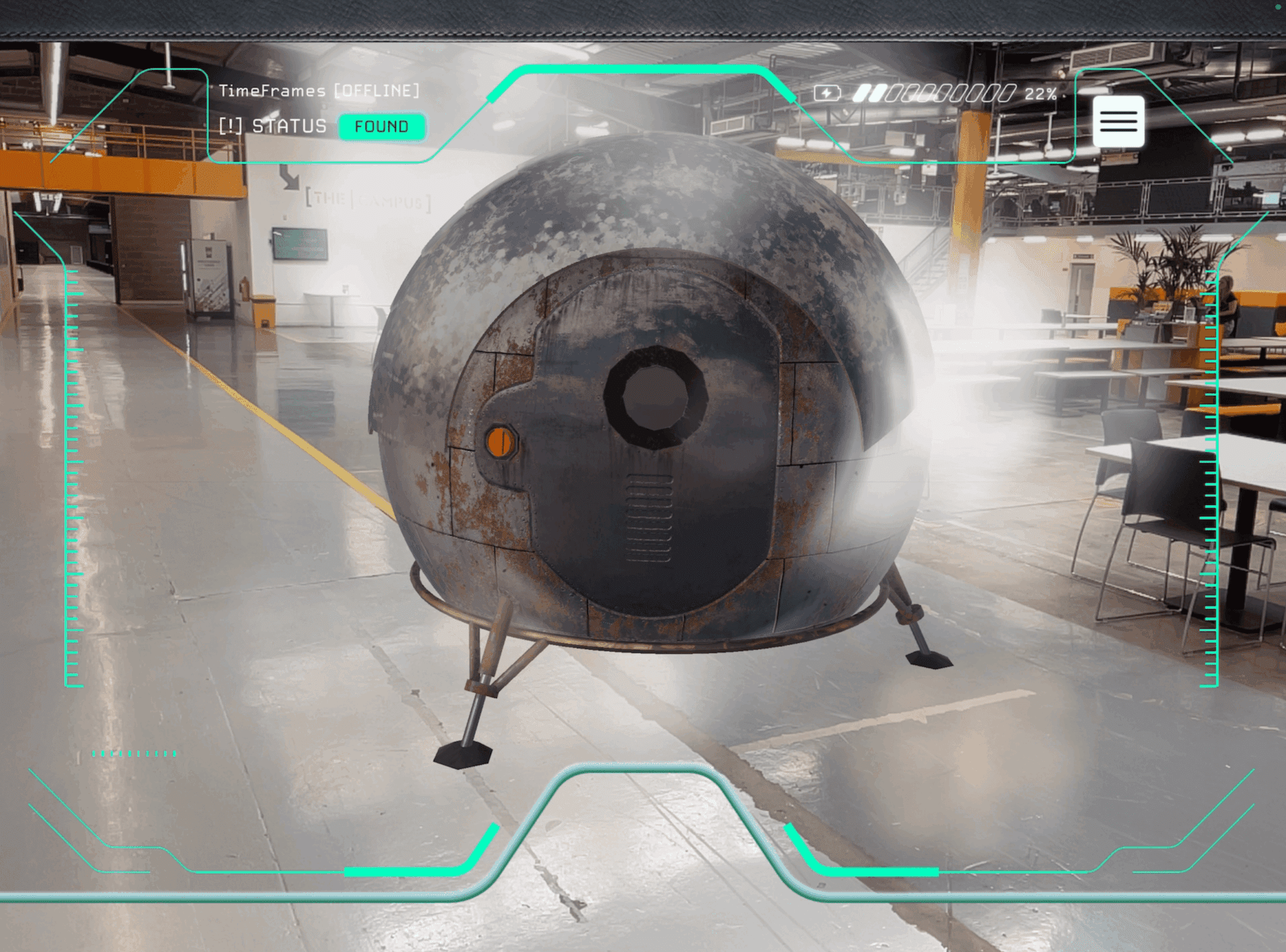
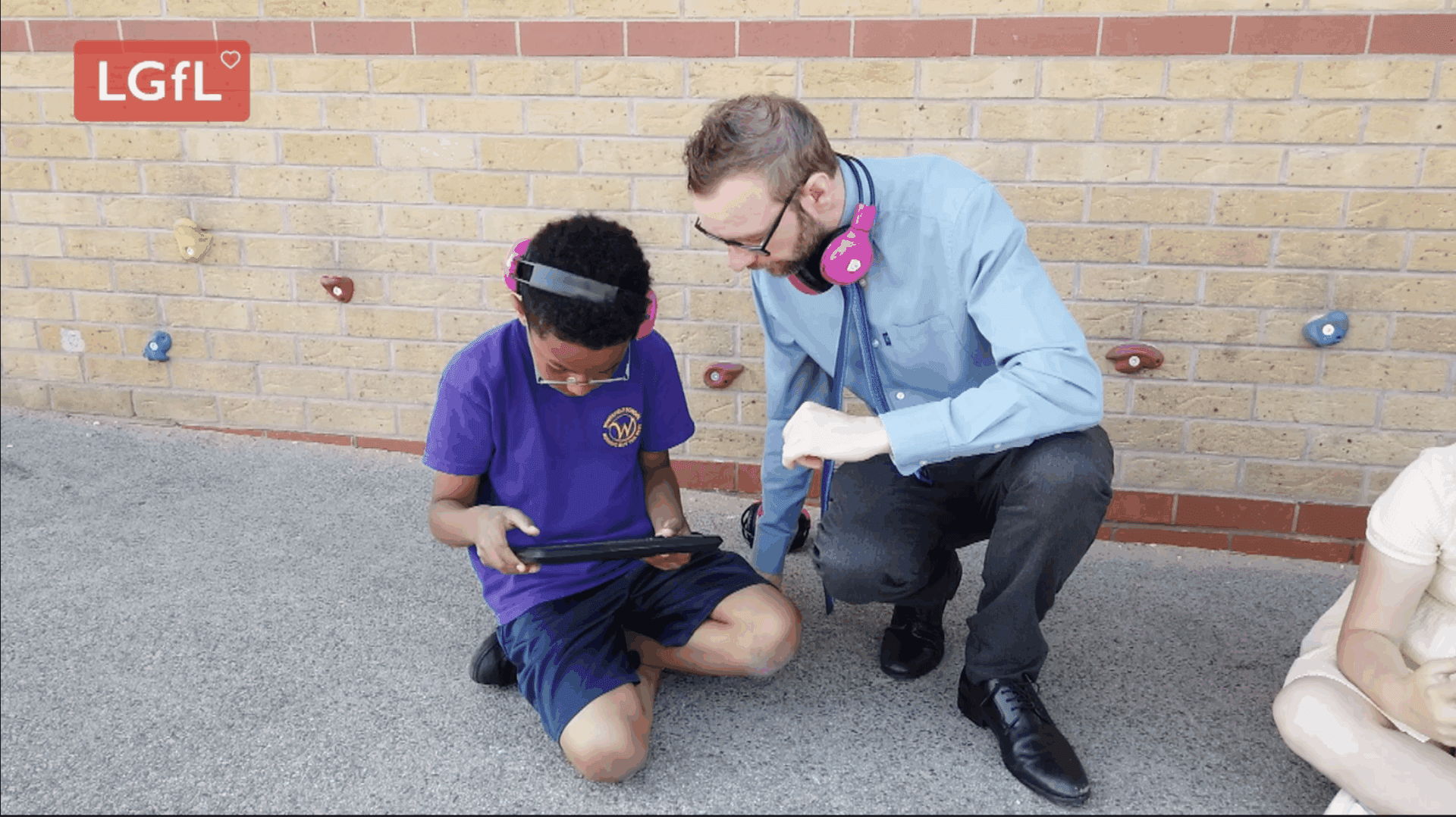
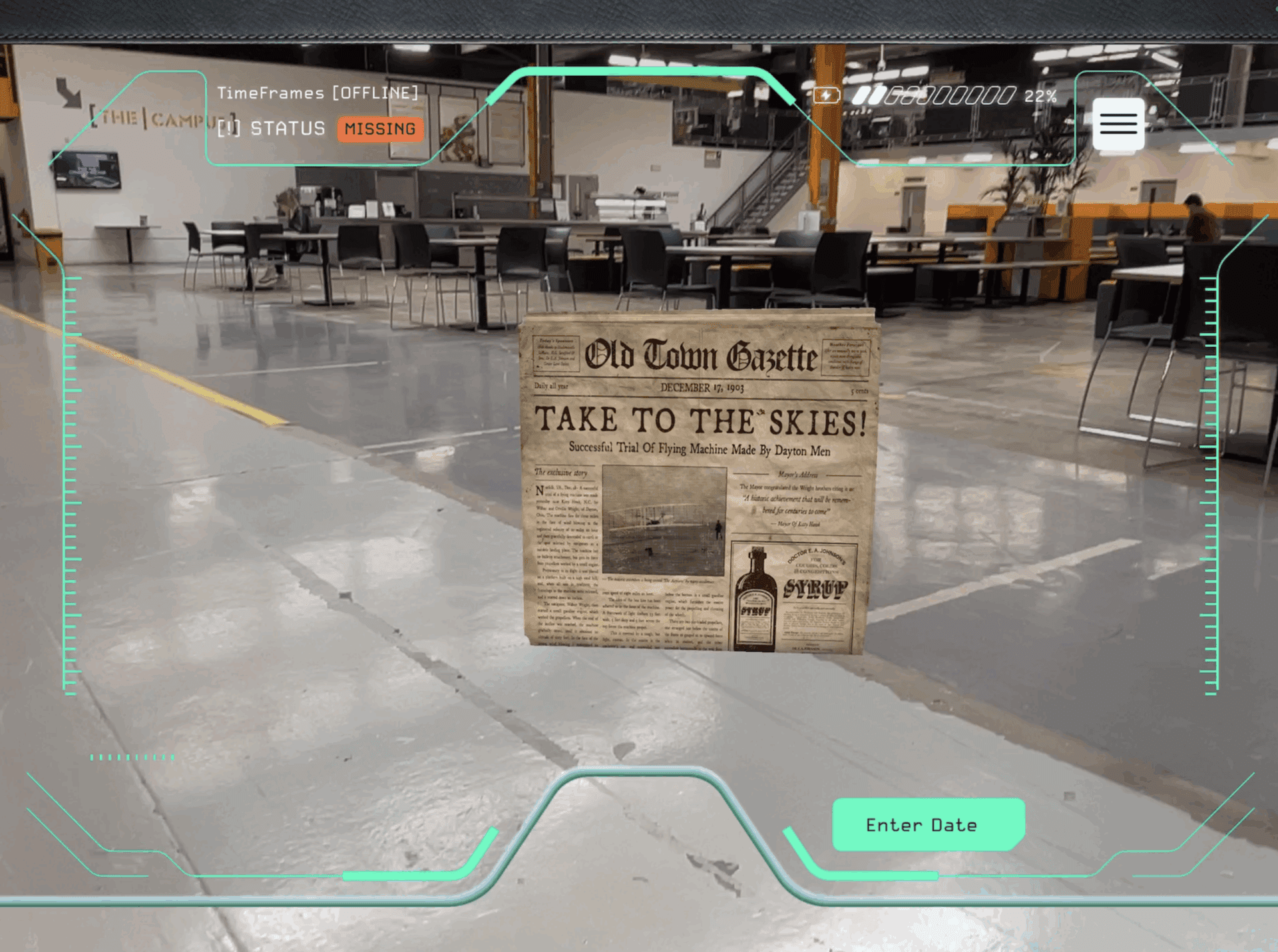
TimePod Adventures turns students into the main character in narrative鈥慸riven, 3D storylines 鈥 such as historic journeys or scientific explorations 鈥 played out in AR on an iPad or iPhone. Students physically move through space to investigate clues, collaborate in groups, and solve problems. The combination of spatial movement, story immersion, and peer interaction naturally promotes engagement, memory retention, and higher order thinking.
Sandbox AR
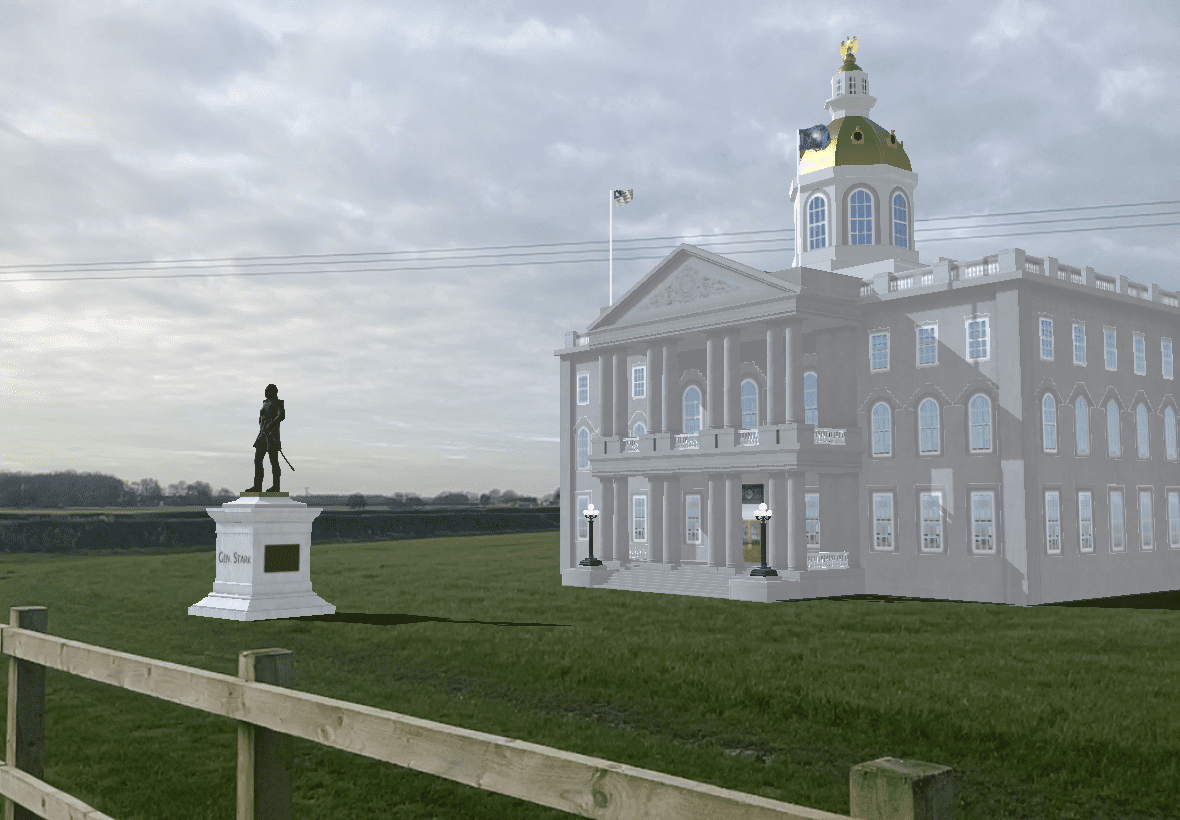
Sandbox AR enables students to build, share, and inhabit virtual topical worlds using augmented reality on an iPad. Whether constructing ecosystems, exploring ancient civilizations, or modeling scientific phenomena, learners physically move around their creations, manipulate objects in 3D space, and collaborate with classmates. It transforms abstract concepts into tactile, shared experiences 鈥 driving engagement and deep understanding.
Connecting Research to Practice
So how do these AR tools bridge the gap between research on movement and real classroom application?
Movement-Inspired Engagement & Retention
Stepping into a TimePod Adventures scene or walking around a Sandbox AR build turns learning into a physical experience. This movement taps into embodied cognition 鈥 boosting attention, memory, and concept retention.
Intrinsic Motivation and Autonomy
Physically active learning has been shown to raise motivation, independence, and mastery. Both apps put students in the driver鈥檚 seat, letting them explore, create, choose paths, and solve problems in ways that feel personally meaningful.
Active Collaboration and Social Interaction
Group work comes naturally here. Students move together, share observations, and make real鈥憈ime decisions. These moments mirror the benefits seen in active learning research, where collaboration, role鈥憄lay, and simulation strengthen critical thinking and achievement.
Classroom Management Support
Movement doesn鈥檛 have to mean chaos. Sandbox AR鈥檚 鈥渢able scale鈥 mode keeps students seated while they build, discuss, and explain their choices, then 鈥渓ife scale鈥 mode delivers that big immersive moment. TimePod Adventures鈥 10鈥憁inute AR episodes pair with full鈥憀ength classroom activities, giving students a structured, reflective segment to settle, focus, and capture their learning on paper.
Tips for Educators: Putting AR Movement to Work in Your Classroom
- Plan for shared space: Clear an area where students can stand and move with tablets. Let them rotate roles 鈥 navigator, clue鈥憈racker, builder 鈥 to keep energy flowing.
- Blend movement with content: Ask students to gesture concepts 鈥 map routes, act out historical events, or build with Sandbox pieces. Embedding learning in physical activity strengthens memory.
- Reflect on experience: After each AR session, invite groups to discuss: What did moving around reveal? How did acting it out help you remember or understand?
- Alternate formats: Use TimePod Adventures for narrative exploration, and Sandbox AR for creative building. That variety keeps engagement high and supports different learning objectives.
Ready to Get Your Students Moving?
Bringing physical movement into the classroom isn鈥檛 about turning lessons into PE class 鈥 it鈥檚 about following the science. Students who move stay more alert, engaged, motivated, and they learn better. Immersive learning tools like TimePod Adventures and Sandbox AR deliver movement-rich, experiential learning that echoes what decades of research tell us: embodied, active classrooms help students thrive.
By combining high鈥憅uality AR experiences with flexible classroom design and purposeful reflection, educators can turn content into lived experiences 鈥 boosting engagement, memory, and outcomes in ways that traditional methods simply can鈥檛 match.