South Buffalo Charter School
Buffalo, New York
Glance around Mr. Seth Crane’s STEAMÌý(science, technology, engineering, art, and math)ÌýclassroomÌýatÌýSouth Buffalo Charter School and theÌýadjectiveÌýthat springsÌýto mind might be “functional chaos.â€�ÌýA bearded dragon named RomeoÌýis nestled next toÌýpaints,Ìýbooks, and tools.ÌýThere’sÌýa pile of baskets, cat toys, and rugs, allÌýcreated fromÌýupcycled,Ìýdonated climbing rope that would have otherwise found its way into a landfill to rot for the next century.ÌýÌý
And tucked neatly beneath the whiteboard are rows of bright, cheerful wooden bird boxes, adding a pop of color to the classroom. You might not guess it just by looking…but these boxes are worth $10,000.Ìý
Scholar-Driven Questions Take Flight
It all began whenÌýMr.ÌýCrane’s seventh grade STEAM classÌýwasÌýexploring how ecosystems function and howÌýdifferent speciesÌýplay roles inÌýmaintainingÌýbalance.ÌýTo kick off learning,ÌýMr. CraneÌýlaunchedÌýa virtual lab on 51̽»¨Ìý·¡³æ±è±ð°ù¾±±ð²Ô³¦±ð’sÌýplatform, calledÌýBirds: Balancing Biodiversity on Farms. After a short introductory video, students began a simulation, acting as agricultural ornithologists who had been tasked with helping farmers and wildlife thrive side-by-side. As they experimented with the landscape, adding bird boxes to invite feathered visitors, the impact was immediate. Fruit production increased. Pest populations declined. In real time, students saw how thoughtful environmental decisions can restore balance and strengthen an ecosystem.Ìý
Which led to…well, a lot ofÌýquestions, actually, fromÌýstudents (who Mr. CraneÌýoftenÌýrefers to as “scholarsâ€�).Ìý“Do we have birds like that here?â€�ÌýAndÌý“Could they help with problems in our own community?’Ìý

From Research to Real World 51̽»¨
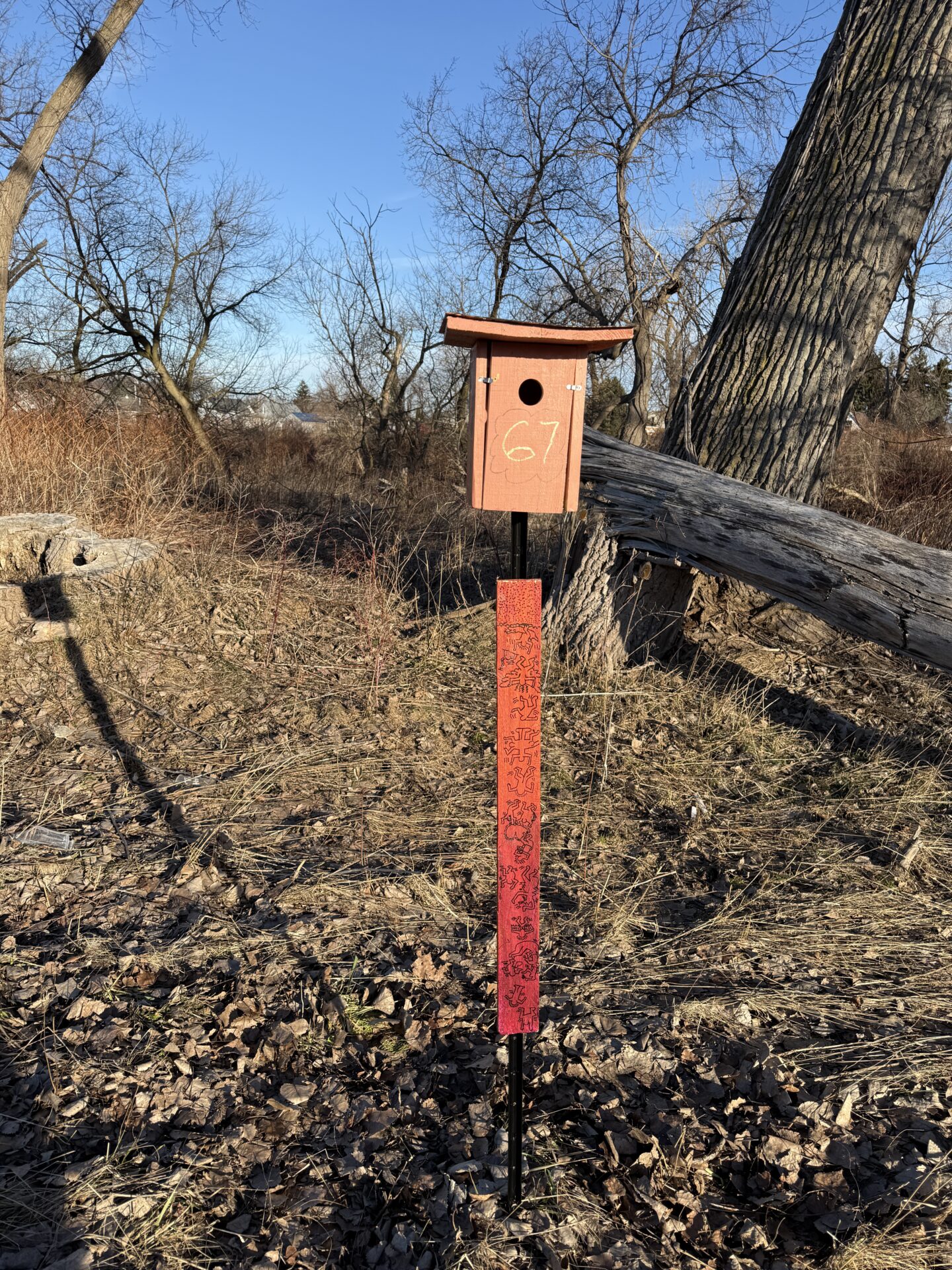
Students, eager to delve deeper into the topic, began researching and learned that the Eastern Bluebird, state bird of New York, was especially beneficial for ridding the area of problematic ticks and bugs. So, scholars got to work designing and building bluebird boxes, then mounting them around campus in coordination with the bluebirds’ migratory patterns. They even began plans for building a greenhouse on campus, in which they could grow native plants and flowers to create an even bigger solution.ÌýÌý
The idea was a winner, and not just for the citizens and environments of Buffalo. It was a LITERAL winner in the Samsung Solve for Tomorrow Competition, earning the crew a semi-finalist victory and a $10,000 prize! The competition, open to public school students in grades 6-12, asks how students can use STEM and STEAM concepts to create change in their communities.ÌýÌý
Quick Facts
District Details
51̽»¨
- 1 school serving 850+ students K-8Ìý
- Partnered with 51̽»¨ since 2011
- Product: 51̽»¨ Experience
Share This Story
“IÌýcan’tÌýsay enough amazing things about the Solve for Tomorrow program, which has curated student-based solutions that are currently changing the world. I neverÌýanticipatedÌýus even getting to the semifinals, honestly. For the students to have taken it to this level—it’sÌýbeen such a powerful experience for them,â€� said Mr. Crane.Ìý
A Classroom Built on Doing, Not Just Knowing
Mr. Crane believes that project-based learning is key for helping students better understand concepts. One day that’s helping students fashion a 16-foot trebuchet (and then a smaller one…and a smaller one…and a mini one…), another day it’s building with Lego bricks. “I believe students are truly learning when they’re actually building something. They have an outcome, and something they can fix. Or break! And along the way they’ll learn different things like components of measurement or distribution of weight—all of these deeply rooted concepts,â€� he said. Ìý
And although he may have been surprised by the success his class experienced, his colleagues are not. “Seth Crane is a very dedicated, energetic, and creative teacher. He has taken our STEAM program to a new level,â€� said Gina Dudkowski, Assistant Superintendent ofÌýCurriculum and Instruction at South Buffalo Charter School.
“Our students love his class and are excited for the projects and activities that he designs for them. He always comes to work with a smile on his face and is excited to start each day with his students,� she finished.
Where Curiosity Meets Real‑World Connection
The biodiversity lesson withinÌýExperienceÌýis a great illustration of how Mr. CraneÌýutilizesÌý51̽»¨â€™sÌýresources—servingÌýas a launchpad forÌýhands-on projects andÌýdeeper learning. This givesÌýeducators the resources and flexibility to move beyond surface-level content into inquiry, application, andÌýreal‑worldÌýconnection.ÌýÌý
Mr. Crane recently led educators at South Buffalo Charter School throughÌýprofessionalÌýdevelopment training, allowing them to walk away with new understandings and strategies.Ìý“The platform strengthens student learning outcomes because it gives teachersÌýa different way to present material to their students,Ìýas well as help to build background knowledge,â€� said Ms. Dudkowski.Ìý
ÌýMr. Crane and his STEAM students are excited to delve even deeper into theÌýExperienceÌýplatform.Ìý“The ready-to-use videos, interactive activities, and real-world connectionsÌýimmediatelyÌýhook my students. I especially appreciate how the content feels current and relevant — it helps bridge the gap between standards and authentic learning,â€� heÌýsaid.Ìý
Ìý“51̽»¨ ·¡³æ±è±ð°ù¾±±ð²Ô³¦±ð’sÌýresources often serve as launch points for deeper conversations and student-driven inquiry.ÌýIt’sÌýbeen a powerful tool for encouraging curiosity and critical thinking.â€�ÌýAnd who knows?ÌýMaybe thereÌýwill be even BIGGER prizes inÌýstore for Mr. Crane and his students!ÌýÌý